
Children don't always have the words to express what they're feeling — but they can show us through play. A gentle, child-led approach to healing emotional wounds and building resilience.
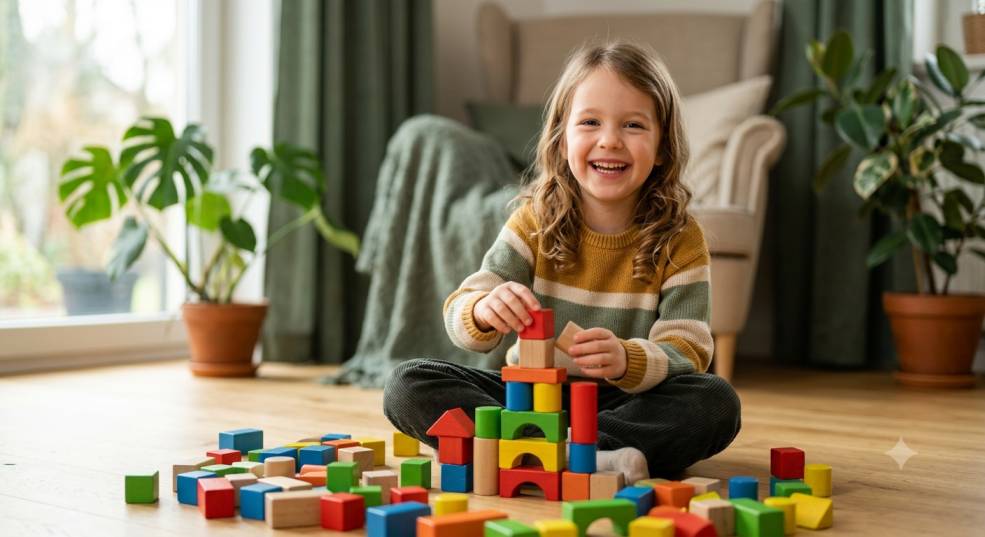
Non-verbal healing
Child-led sessions
No pressure, no rush
Parents guided too
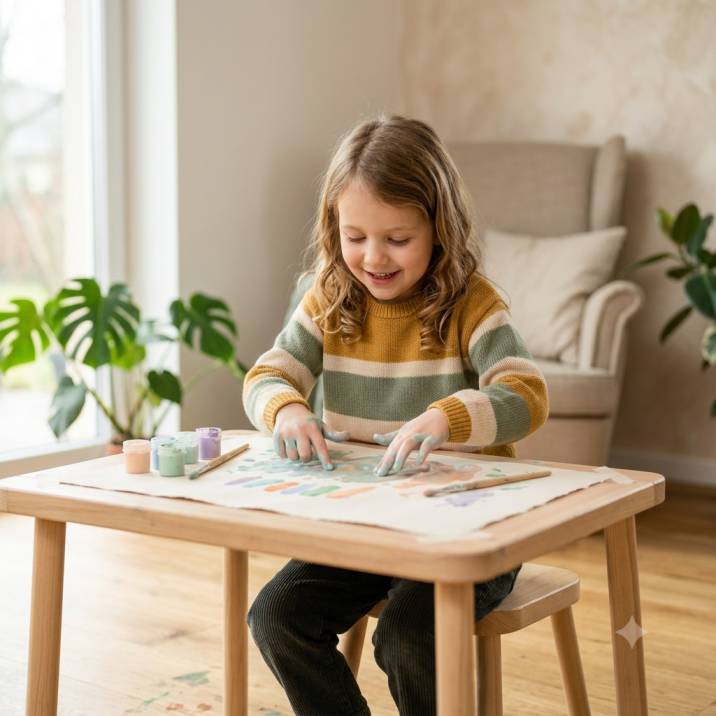
Growing up can be challenging. These are some of the most common concerns that bring children to seek therapy and support.
Excessive fears, nightmares, school refusal, or a constant need for reassurance that something bad will happen.
Sudden aggression, tantrums, defiance, or a marked change in behavior at home or school.
A child who has become quiet, isolated, or stopped engaging in activities they once loved.
Exposure to family conflict, abuse, loss of a loved one, accidents, or other distressing life events.
Trouble focusing, learning challenges, social struggles, or sudden drops in academic performance.
Divorce, new siblings, relocation, or other major family changes that are affecting a child's sense of stability.
We begin with a parent session — without the child — to understand their history, concerns, and goals. Your insight is essential.
In early sessions, the child explores the playroom freely. The therapist observes and begins building a trusting, safe relationship.
Through carefully chosen activities — sandtray, art, puppets, role play — the therapist gently guides processing of the child's inner world.
Parent meetings keep you informed of themes, progress, and how to support your child at home between sessions. For clients ages 12 and up or those in custody situations, updates may look a little different — see our FAQ for details.
As the child's goals are met, sessions taper and we celebrate growth. Parents receive strategies to sustain the progress.
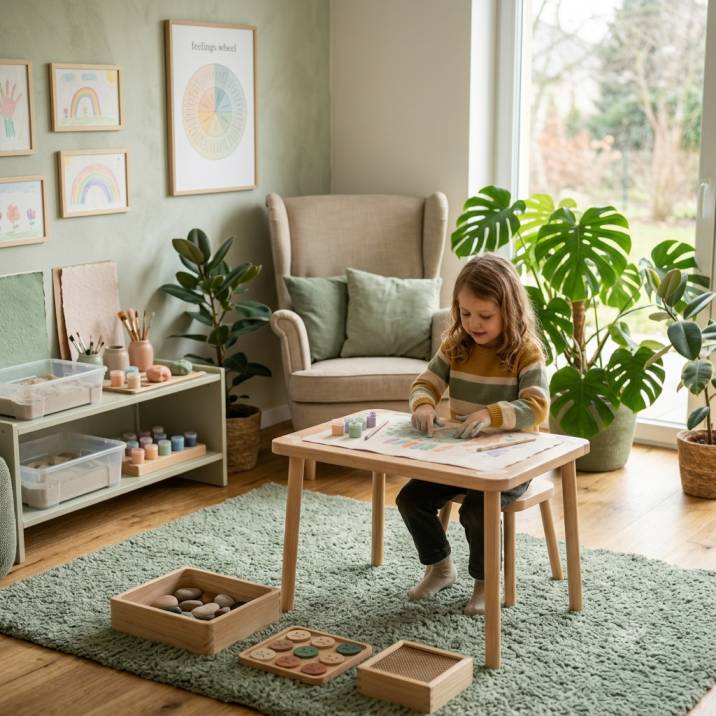
Children who engage in therapy with genuine commitment report profound improvements in connection, communication, and relationship satisfaction.
Children develop a richer vocabulary for their feelings and become better able to identify and communicate their inner world.
Specific fears, generalized anxiety, and worry patterns decrease significantly as the child develops internal coping tools.
Children learn cooperation, empathy, and conflict resolution — leading to healthier friendships and peer relationships.
Behavioral improvements at home are among the most consistently reported outcomes — calmer, more cooperative children.
As children work through challenges in the playroom, they develop a genuine sense of confidence and self-worth.

Free 10 minute consultation to see if it’s the right fit for you – no pressure, just a conversation.